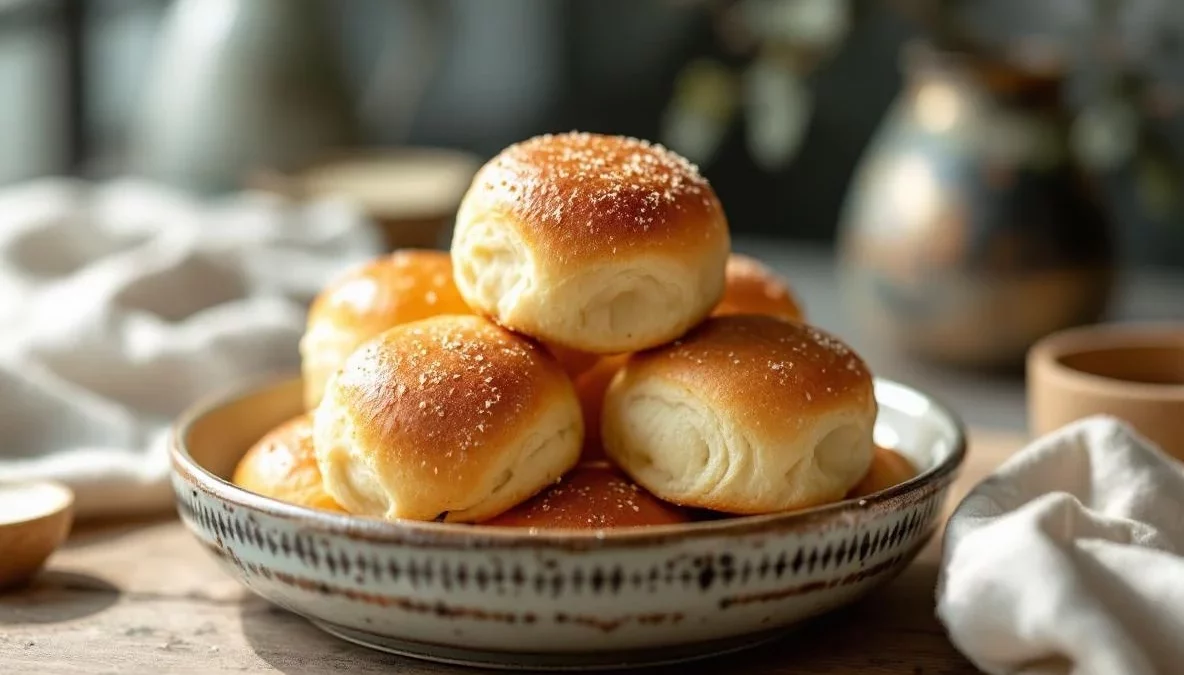
There’s something absolutely magical about bread that’s so soft and pillowy, it practically melts in your mouth. When I first discovered Japanese milk bread rolls during my culinary adventures, I was reminded of the incredible brioche I tasted at Du Pain et des Idées in Paris – that same cloud-like texture that makes you close your eyes and savor every bite.
These shokupan-style rolls use a unique technique called tangzhong that creates the most impossibly soft, tender crumb. While they’re Japanese in origin, the technique shares DNA with French enriched doughs, making them a perfect bridge between two incredible bread traditions.
What Makes Japanese Milk Bread Rolls So Incredibly Soft?
The secret to these ultra-soft rolls lies in the tangzhong method – a technique where you cook a small portion of flour and liquid into a paste before adding it to your dough. This pre-cooked mixture helps the bread retain moisture, creating that signature bouncy, pillowy texture that Japanese milk bread is famous for.
When I learned about this technique, it reminded me of something Julia Child once said about the importance of understanding the science behind baking. The tangzhong works by gelatinizing the starches, which then hold onto water throughout the baking process. It’s brilliant in its simplicity!
The addition of bread flour, milk, and butter creates an enriched dough similar to French brioche, but with an even more tender crumb. These rolls stay soft for days – something that would make any French boulanger proud.
Essential Ingredients for Perfect Shokupan-Style Rolls
The beauty of Japanese milk bread is that it uses simple, accessible ingredients that you probably already have in your kitchen. I always keep these staples on hand because once you make these rolls, you’ll want to make them again and again.
Bread flour is crucial here – its higher protein content creates the perfect gluten structure to support the soft, airy crumb. While all-purpose flour can work in a pinch, bread flour gives you those professional bakery results.
Don’t skimp on the whole milk and butter. These fats contribute to the tender texture and rich flavor that makes these rolls so addictive. I learned this lesson the hard way when I tried to make a “lighter” version with skim milk – the results just weren’t the same!
Step-by-Step Guide to Ultra-Soft Milk Bread Rolls
Making tangzhong might sound intimidating, but it’s actually incredibly straightforward. I like to think of it as making a very simple roux – something any home cook can master with a little practice.
Start by cooking your flour and milk mixture until it thickens into a paste. You’ll know it’s ready when you can draw lines in it with your whisk. Let this cool completely before adding it to your dough – patience here is key to perfect results.
The kneading process is where the magic happens. These enriched doughs take time to come together, but once they do, you’ll have the smoothest, most elastic dough that’s an absolute joy to work with. I always think of Jacques Pépin’s advice about letting the dough tell you when it’s ready – it should be smooth, supple, and slightly tacky but not sticky.
Pro Tips for Bakery-Perfect Results Every Time
Temperature control is everything when making these rolls. Your tangzhong needs to be completely cool, your milk should be just warm to the touch, and your rising environment should be draft-free and consistently warm.
I’ve found that the windowpane test is your best friend here – stretch a small piece of dough until it’s thin enough to see through. This tells you the gluten is properly developed for that perfect, bouncy texture.
For the most uniform rolls, I always weigh my dough portions. Each roll should be about 2.5 ounces (70g) for perfectly sized portions that bake evenly. Trust me, this extra step makes all the difference in your final presentation!
Japanese Milk Bread Rolls (Ultra Soft Shokupan-Style) |
|
|
|
|
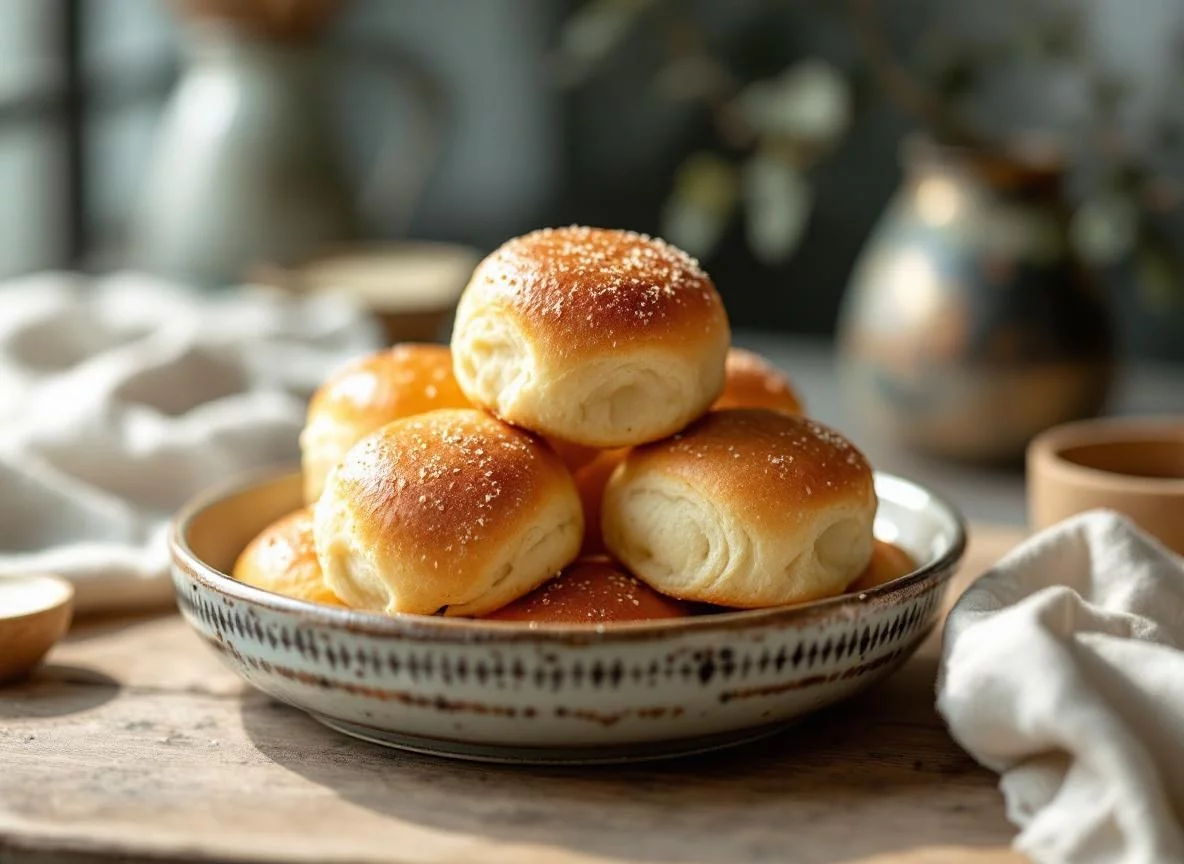
Ultra-soft Japanese milk bread rolls made with tangzhong method for impossibly pillowy texture. Cloud-like crumb stays soft for days using this French-inspired Asian technique.
|
|
|
Author: Sarah – Buffalo Bakery
Category: Bread, Rolls
Cuisine: Japanese, Asian
|
|
|
Prep Time: 30 minutes Cook Time: 18 minutes |
Total Time: 4 hours 48 minutes Yield: 12 rolls |
| Ingredients | |
For the Tangzhong:
|
|
| Instructions | |
|
|
| 🥐 Sarah’s Pro Tip | |
|
The key to ultra-soft rolls is proper hydration and temperature control. Make sure your tangzhong is completely cool before adding it to prevent killing the yeast, and don’t rush the rising times – good bread takes patience! For an extra special touch, try brushing the warm rolls with melted butter right out of the oven. It creates an incredibly tender crust that stays soft for days. |
|
|
Nutrition Information (per roll):
Calories: 195 | Protein: 6g | Fat: 5g | Carbs: 32g | Sugar: 6g |
|
| Keywords: Japanese milk bread, tangzhong, shokupan, soft rolls, Asian bread, milk bread rolls, pillowy bread, fluffy rolls | |
These Japanese milk bread rolls have become a weekend staple in my kitchen, and I know they’ll become a favorite in yours too. There’s something so satisfying about pulling apart that impossibly soft, pillowy bread – it’s pure comfort food magic.
I’d love to hear how your rolls turn out! Share your baking adventures with the Buffalo Bakery community – we’re always here to celebrate your successes and help troubleshoot any challenges. Happy baking, friends!