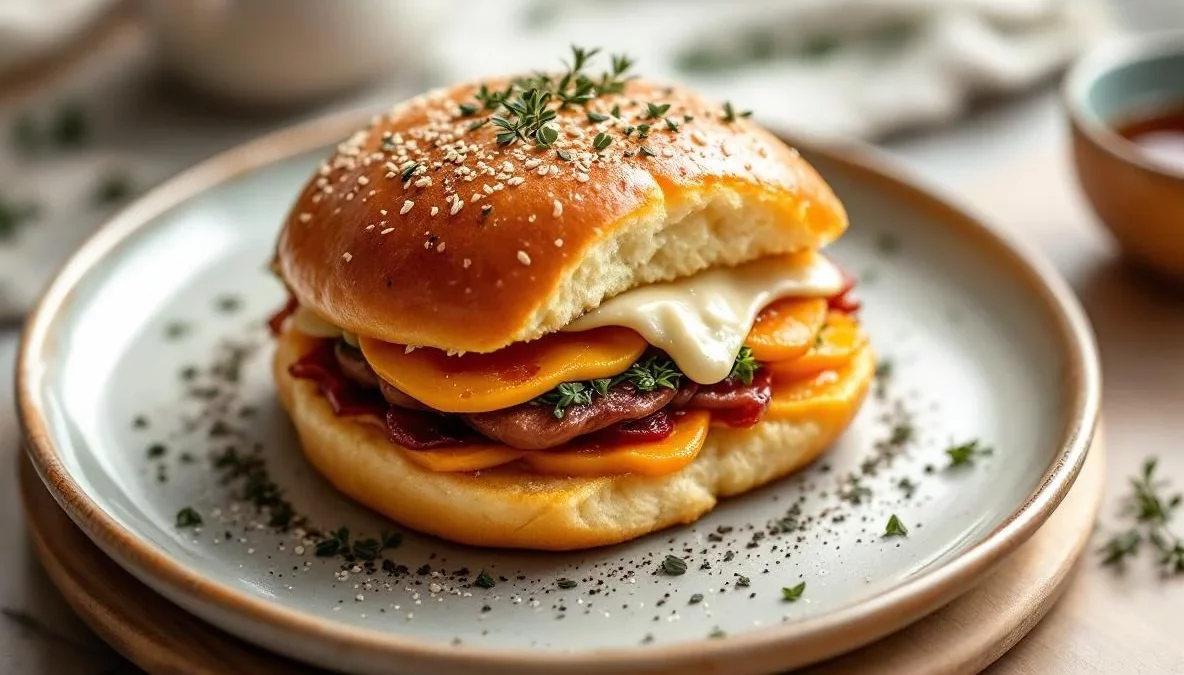
There’s something absolutely magical about the moment you tear into a slice of fresh Japanese shokupan bread – that cloud-like texture, the subtle sweetness, and the way it practically melts on your tongue.
When I first discovered this incredible bread during my Paris days at a tiny Japanese bakery near the Marché des Enfants Rouges, I was completely smitten. The baker explained how this pain de mie japonais had revolutionized sandwich culture, and I knew I had to master it for my fellow American home bakers.
What Makes Japanese Shokupan Different from Regular Sandwich Bread?
Unlike traditional American sandwich bread, shokupan (literally meaning “eating bread” in Japanese) gets its incredible fluffiness from a unique technique called tangzhong – a cooked flour paste that helps retain moisture.
This method creates bread that stays soft for days and has an almost cake-like crumb that’s perfect for everything from simple butter toast to elaborate katsu sandos. The secret lies in the milk, eggs, and that magical flour roux that transforms ordinary ingredients into something extraordinary.
Why Julia Child Would Have Loved This Technique
I often think about how Julia Child would have embraced this Japanese innovation – she was always fascinated by techniques that elevated simple ingredients. The tangzhong method reminds me so much of her approach to French cooking: taking time with foundational techniques to achieve superior results.
Just like Julia’s famous Mastering the Art of French Cooking taught us that great bread starts with understanding your ingredients, shokupan teaches us that patience and technique create magic. The overnight rise develops incredible flavor, while the tangzhong ensures that pillowy texture we’re after.
Common Mistakes American Bakers Make with Shokupan
Mistake #1: rushing the tangzhong cooling process. That flour paste needs to cool completely, or it’ll kill your yeast faster than you can say “oops!”
Mistake #2: over-kneading the dough. Unlike crusty French breads that need aggressive kneading, shokupan requires a gentler touch to maintain that tender crumb.
Mistake #3: skipping the overnight rise. I know we Americans love our quick results, but this bread rewards patience with incredible flavor development and texture.
Perfect Occasions for Homemade Shokupan
This bread is absolutely perfect for weekend brunches, especially when you want to impress guests with something unique. I love making French toast with thick slices, or creating those Instagram-worthy fruit sandwiches that are so popular in Japanese cafés.
For wine lovers, try pairing thin slices with a crisp Sancerre and some aged Gruyère – it’s a beautiful fusion of French and Japanese sensibilities that would make any Parisian bistro proud.
Fluffy Japanese Shokupan Sandwich BreadPrep: 30 min | Cook: 35 min | Total: 12 hours | Makes 1 loaf |
|
|
|
|
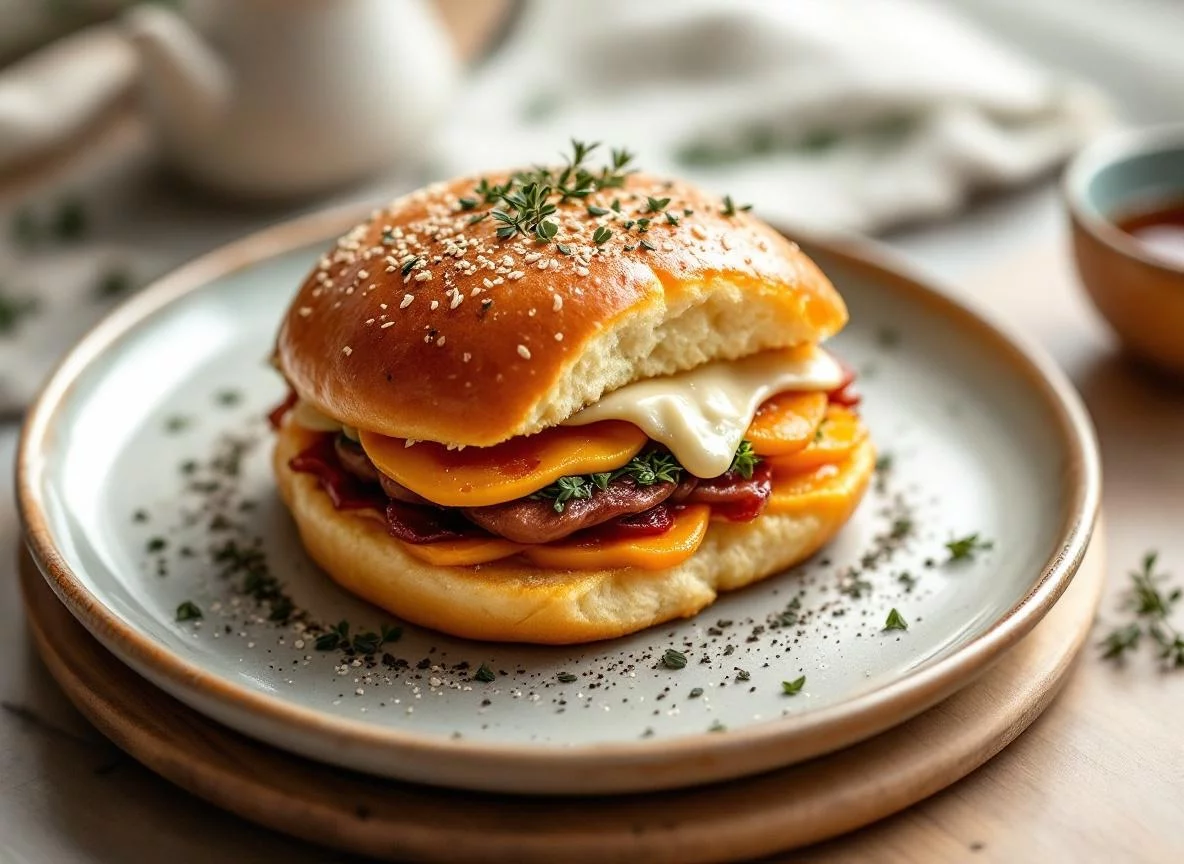
Cloud-like Japanese shokupan bread with tangzhong method for ultra-soft texture. Perfect sandwich bread that stays fluffy for days with overnight cold fermentation.
|
|
|
Author: Sarah – Buffalo Bakery
Category: Bread, Sandwich Bread
Cuisine: Japanese, Asian
|
|
For the Tangzhong:
For the Bread:
|
Instructions:
|
| 🥐 Sarah’s Pro Tip | |
|
The secret to bakery-level shokupan is in the overnight cold fermentation – it develops incredible flavor while keeping the crumb structure tender. Don’t skip the tangzhong cooling step, and resist the urge to slice into this beauty until it’s completely cool. I learned this lesson the hard way when my impatience resulted in a collapsed loaf! Store wrapped at room temperature for up to 3 days, or freeze slices for up to 3 months. |
|
|
Nutrition Information (per slice, 12 slices):
Calories: 175 | Protein: 6g | Fat: 4g | Carbs: 30g | Sugar: 6g |
|
|
Rating:
4.3/
5
(11 reviews)
|
|
| Keywords: Japanese shokupan, tangzhong bread, fluffy sandwich bread, milk bread, Asian bread, soft bread, overnight bread | |
There’s nothing quite like the satisfaction of pulling a perfect loaf of homemade shokupan from your oven – that golden crust giving way to the most impossibly soft interior.
This recipe has become one of my weekend rituals, and I love hearing from fellow Buffalo Bakery readers about their own shokupan adventures. Whether you’re making epic sandwiches or simply enjoying it toasted with butter and jam, this bread brings a little taste of Japanese bakery magic right to your American kitchen.
Happy baking, and don’t forget to share your beautiful loaves with me on social media!