
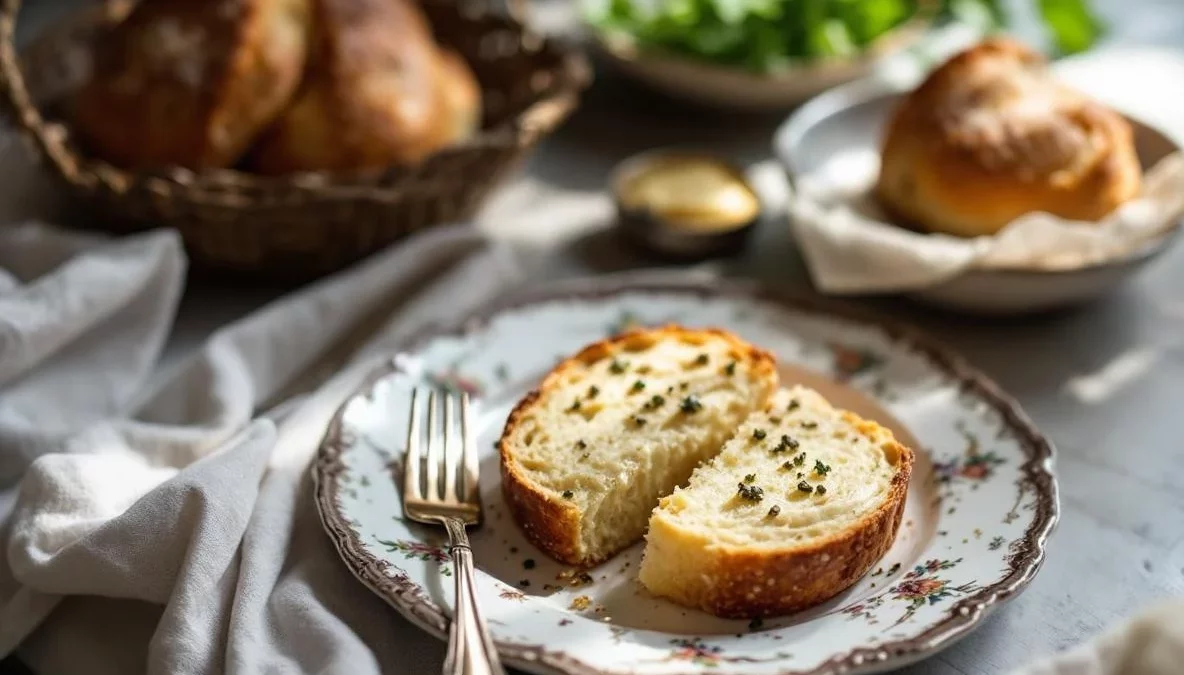
There’s nothing quite as heartbreaking as pulling a loaf of bread from the oven, only to discover it’s dense as a brick. I learned this lesson the hard way during my first attempt at making pain de campagne in my tiny Parisian apartment kitchen. The result was so dense, my neighbor joked I could use it as a doorstop!
Dense bread is one of the most common baking frustrations, but the good news is that it’s completely fixable. Once you understand the science behind what makes bread light and airy, you’ll never have to suffer through another heavy loaf again.
The Science Behind Light, Airy Bread
Perfect bread is all about creating the right environment for gluten development and proper fermentation. When I studied at a small boulangerie near the Marché des Enfants Rouges in Paris, the master baker taught me that bread is essentially a delicate balance of four elements: flour, water, yeast, and time.
Gluten forms the structure that traps gas bubbles created by yeast, giving bread its characteristic holes and light texture. Without proper gluten development, your bread will collapse on itself, creating that dreaded dense texture we’re trying to avoid.
Common Mistakes That Lead to Dense Bread
Mistake #1: Using old or inactive yeast
Yeast is a living organism, and if it’s not alive and kicking, your bread won’t rise properly. Always proof your yeast in warm water (around 110°F or 43°C) with a pinch of sugar before adding it to your dough.
Mistake #2: Not kneading enough
Insufficient kneading means poor gluten development. Your dough should pass the “windowpane test” – when stretched thin, it should be translucent without tearing.
Mistake #3: Rushing the rise
Bread needs time to develop flavor and structure. A slow, cool rise actually produces better texture than a quick, warm one.
Mistake #4: Using too much flour
Adding excessive flour during kneading creates a dry, heavy dough. The dough should feel slightly sticky initially.
My Foolproof French Country Bread Recipe
This recipe is inspired by the pain de campagne I finally mastered after that disastrous first attempt. Julia Child always said that good bread requires patience, and she was absolutely right. This recipe uses a combination of bread flour and whole wheat for authentic French flavor, with techniques that guarantee a light, airy crumb.
Perfect French Country Bread |
|
|
|
|
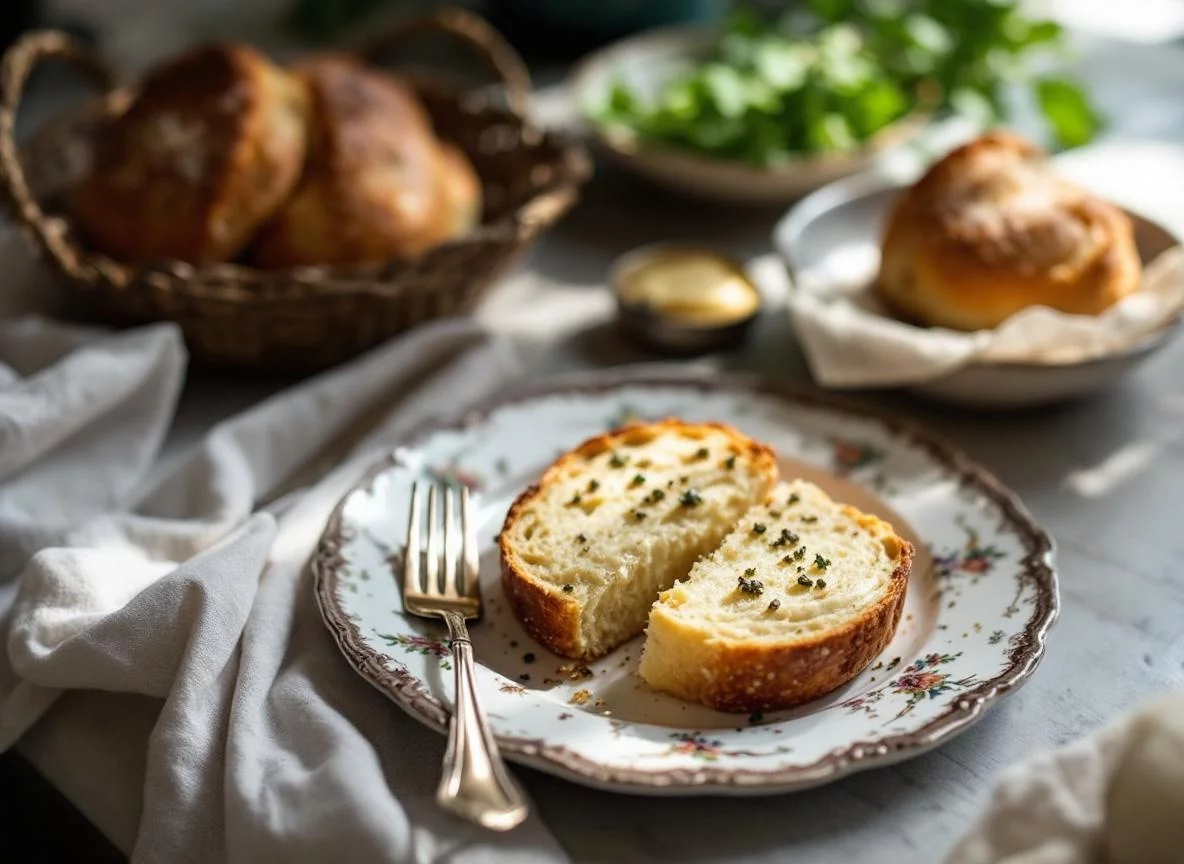
A classic French pain de campagne with a light, airy crumb and golden crust. This foolproof recipe combines bread flour and whole wheat for authentic flavor, using proven techniques that guarantee perfect results every time – no more dense, heavy loaves!
|
|
|
Author: Sarah – Buffalo Bakery
Category: Bread, Baking
Cuisine: French
|
|
|
Prep Time: 20 minutes Rise Time: 3 hours |
Total Time: 4 hours Yield: Serves 8 |
Ingredients |
|
|
|
Instructions |
|
|
|
| 🥐 Sarah’s Pro Tip | |
|
The secret to avoiding dense bread is the “poke test” for proper rising. Gently poke the dough with your finger – if the indentation springs back slowly, it’s perfectly proofed. If it springs back quickly, give it more time. If it doesn’t spring back at all, you’ve over-proofed and should reshape and rise again. Also, resist the urge to add too much flour during kneading. The dough should feel slightly tacky but not sticky. This ensures the perfect hydration level for a light, airy crumb that would make any French baker proud! |
|
|
Nutrition Information (per serving):
Calories: 245 | Protein: 8g | Fat: 4g | Carbs: 45g | Sugar: 2g |
|
| Keywords: French country bread, pain de campagne, why is my bread dense, dense bread fix, homemade bread recipe, light airy bread, bread baking tips | |
Troubleshooting Your Dense Bread Issues
If your bread is still coming out dense, here are the most likely culprits and their fixes:
Temperature matters: Yeast is temperature-sensitive. Water that’s too hot will kill it, while water that’s too cool won’t activate it properly. Aim for 110°F (43°C) – it should feel comfortably warm on your wrist.
Altitude adjustments: If you’re baking at high altitude, you’ll need to reduce yeast slightly and increase liquid. The lower air pressure causes bread to rise too quickly and then collapse.
Flour quality: Not all flours are created equal. Bread flour has higher protein content than all-purpose, which creates better gluten development and lighter texture.
Remember, even Jacques Pépin had his share of bread failures when he was learning. The key is understanding what went wrong and adjusting for next time. Keep notes on your baking – temperature, humidity, timing – so you can replicate your successes and learn from your mistakes.
There’s something magical about pulling a perfect loaf of bread from your oven – the golden crust, the way it sounds when you tap the bottom, and most importantly, that first slice revealing the light, airy crumb inside. With these techniques and a little practice, you’ll be creating bakery-quality bread that would make any Parisian boulanger proud.
I’d love to hear about your bread-baking adventures! Share your results with the Buffalo Bakery community – both your triumphs and your learning experiences. After all, we’re all in this delicious journey together!