
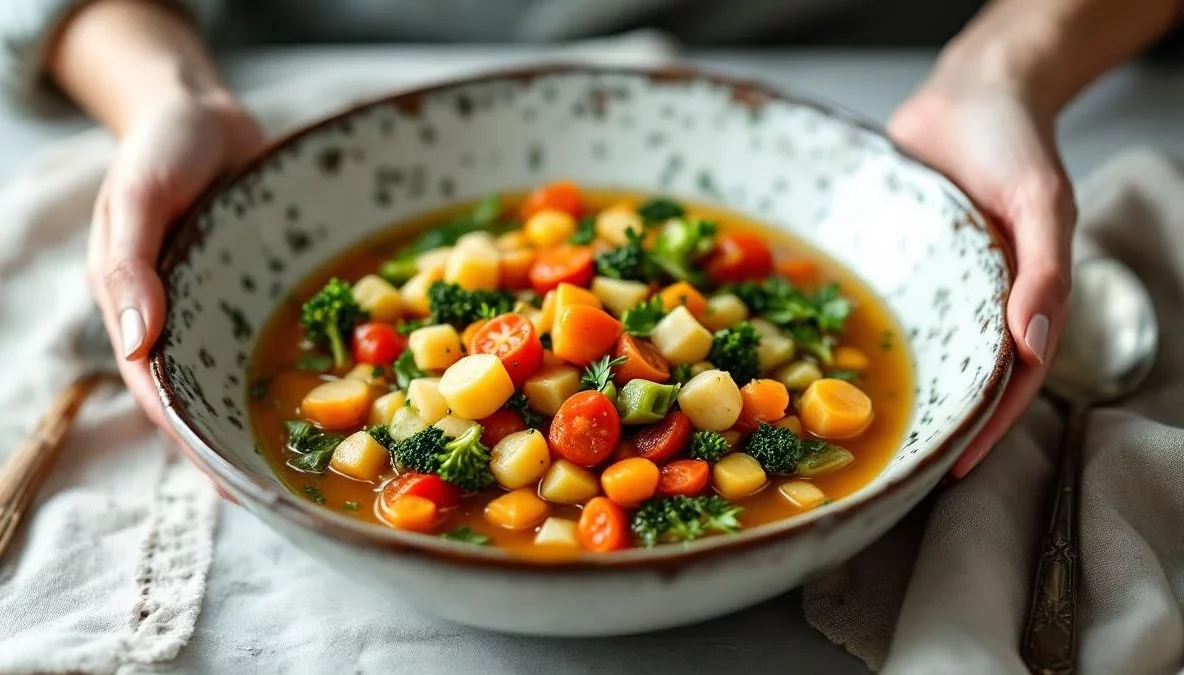
There’s something deeply satisfying about transforming kitchen scraps into liquid gold – and that’s exactly what happens when you make homemade vegetable stock from scraps. I learned this beautiful practice from my neighbor Madame Dubois during my time in Paris, who would religiously save every onion peel and carrot top in her tiny Montmartre kitchen.
This zero waste vegetable stock recipe not only reduces food waste but creates a flavor base that’s far superior to anything you’ll find in a store. Plus, it costs practically nothing to make!
Why French Cooks Never Waste Vegetable Scraps
In France, the concept of using every part of an ingredient isn’t trendy – it’s tradition. Jacques Pépin often speaks about this philosophy, emphasizing how French home cooks have been making stock from scraps for centuries.
During my cooking classes at Le Cordon Bleu’s weekend workshops, our chef instructor would collect every trimming throughout the day. “This is not garbage,” she’d say in her thick accent, “this is the foundation of tomorrow’s soup.”
The French term “fond de légumes” literally translates to “vegetable foundation” – and that’s exactly what this stock becomes in your cooking.
What Vegetable Scraps Make the Best Stock?
Not all scraps are created equal when it comes to stock-making. Here’s what I’ve learned works beautifully:
Perfect for stock:
• Onion peels and ends (they add gorgeous color)
• Carrot tops and peels
• Celery leaves and ends
• Mushroom stems
• Herb stems (parsley, thyme, cilantro)
• Leek tops
• Fennel fronds
Use sparingly:
• Bell pepper scraps (can make stock bitter)
• Tomato parts (add acidity)
• Garlic peels (very strong flavor)
Avoid completely:
• Cruciferous vegetables (broccoli, cabbage, brussels sprouts)
• Potato peels (make stock cloudy)
• Anything moldy or spoiled
How to Store Scraps Until You’re Ready to Make Stock
I keep a large freezer bag in my freezer specifically for vegetable scraps. Every time I’m prepping vegetables, the trimmings go straight into the bag.
This method means you’re always collecting scraps without worrying about them spoiling. Once the bag is full (usually takes me about two weeks), it’s time to make stock!
You can also store scraps in the refrigerator for up to a week if you prefer to make smaller batches more frequently.
Turning Your Scrap Stock into Gourmet Gold
The beauty of homemade vegetable stock lies in its versatility. I use mine for everything from French onion soup to risottos, and even as a cooking liquid for grains.
During winter months in Portland, I love adding warming spices like bay leaves, peppercorns, and fresh thyme to create a more complex flavor profile. In summer, I keep it lighter with just herbs and the natural sweetness from the vegetables.
One trick I learned from a chef at Marché aux Enfants Rouges in Paris: roast your scraps lightly before simmering for an even deeper, more caramelized flavor.
Zero Waste Vegetable Stock from Scraps |
|
|
|
|
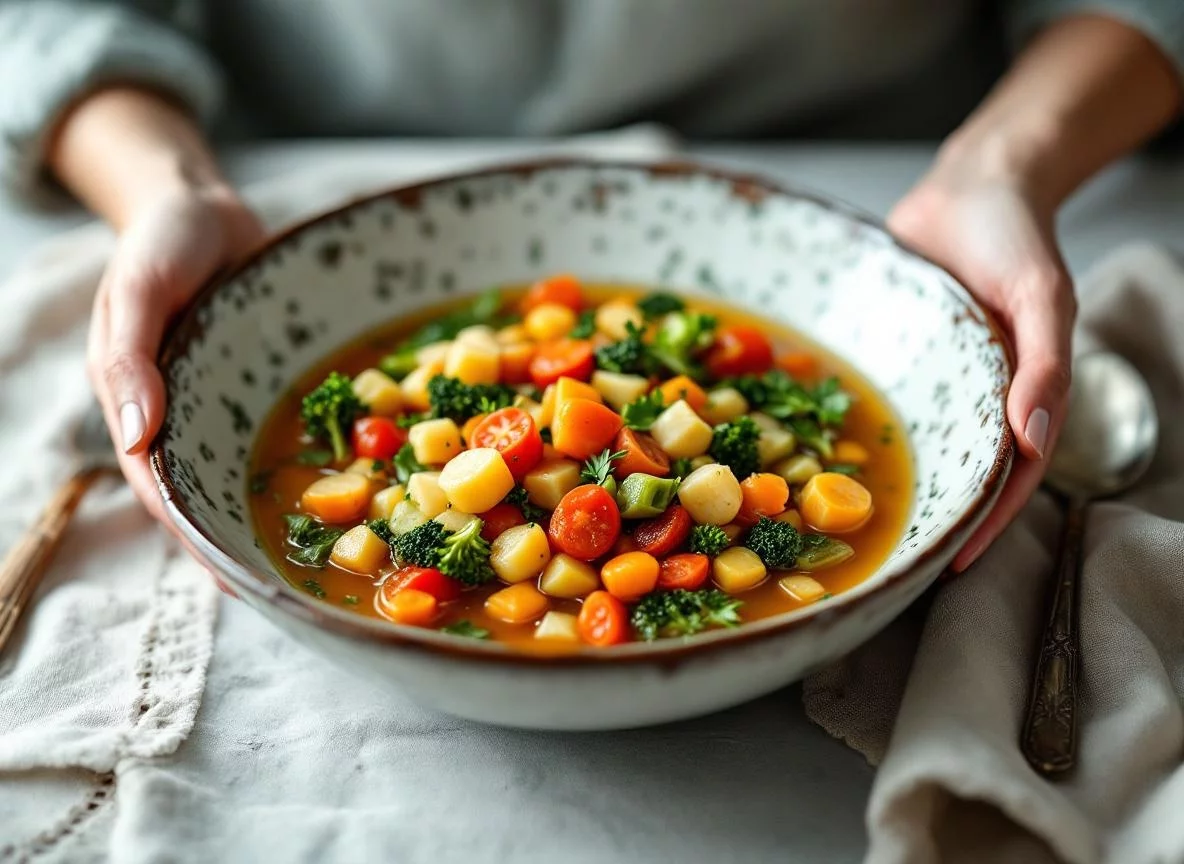
Transform kitchen scraps into a rich, flavorful fond de légumes using the classic French zero-waste philosophy. This cost-free vegetable stock is made entirely from vegetable peels, tops, and trimmings – a beautiful tradition passed down through generations of French home cooks.
|
|
|
Author: Sarah – Buffalo Bakery
Category: Stock, Soup Base, Zero Waste
Cuisine: French
|
|
|
Prep Time: 10 minutes Cook Time: 1 hour 30 minutes |
Total Time: 1 hour 40 minutes Yield: About 2 quarts |
Ingredients |
|
|
|
Instructions |
|
|
|
| 🥐 Sarah’s Pro Tip | |
|
For an even richer flavor, roast your vegetable scraps on a sheet pan at 400°F (200°C) for 15-20 minutes before adding to the pot. This caramelization adds incredible depth! I also love freezing stock in ice cube trays for easy portioning – perfect when you just need a splash for deglazing a pan or adding moisture to roasted vegetables. |
|
|
Nutrition Information (per cup):
Calories: 15 | Protein: 1g | Fat: 0g | Carbs: 3g | Sugar: 1g |
|
| Keywords: vegetable stock from scraps, zero waste stock, homemade vegetable broth, fond de légumes, vegetable scrap broth, French vegetable stock, zero waste cooking | |
Making vegetable stock from scraps has become one of my favorite kitchen rituals. There’s something so satisfying about creating something beautiful and useful from what would otherwise be waste.
I’d love to hear how your scrap stock turns out! Share your creations with the Buffalo Bakery community – tag us on social media or drop a comment below. Every time you make this stock, you’re not just reducing waste; you’re connecting with generations of French cooks who understood that nothing good should ever go to waste.
Happy cooking, and here’s to making every scrap count!