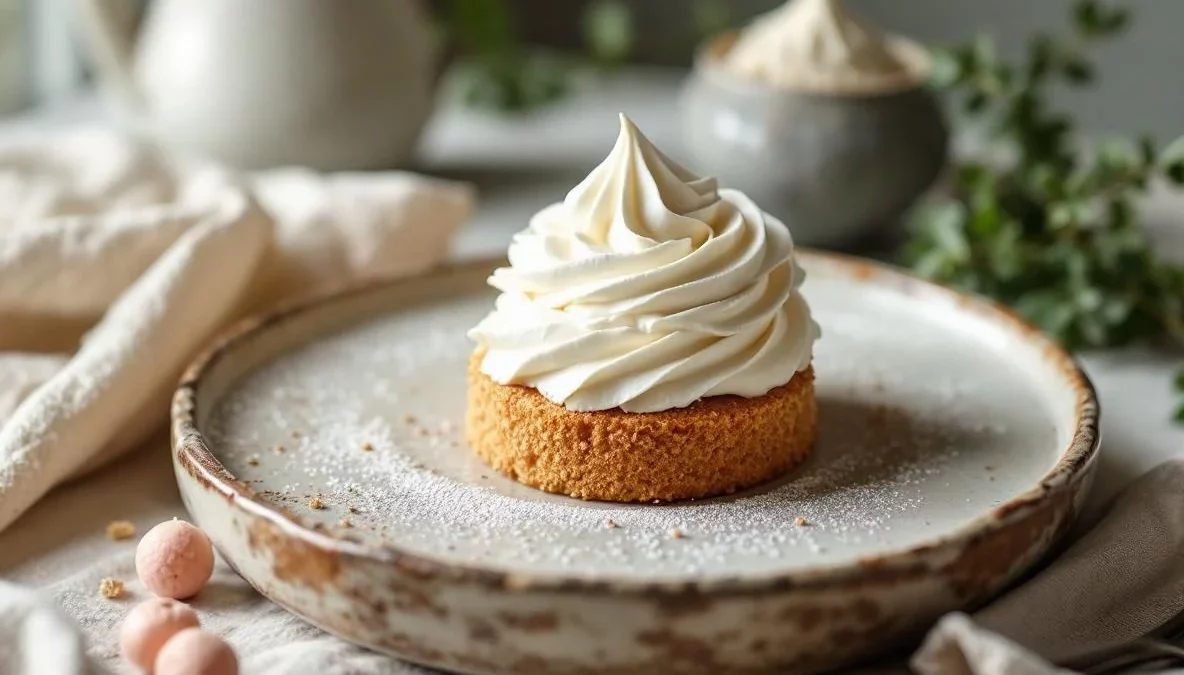
If you’ve ever tasted a frosting so impossibly smooth that it practically melts on your tongue, chances are it was a Swiss meringue buttercream. I’ll never forget the first time I encountered this technique – in the back kitchen of a pâtisserie near Saint-Germain-des-Prés, watching a chef whip egg whites and sugar over a bain-marie with the kind of quiet confidence that only comes from years of practice.
This Swiss meringue buttercream recipe brings that same Parisian elegance to your home kitchen. It’s silky, light as air, and not cloyingly sweet – the kind of frosting that makes people close their eyes on the first bite and ask, “What IS this?” With just five ingredients and a little technique, you’ll never look at American buttercream the same way again.
What Makes Swiss Meringue Buttercream So Different
If you’re used to the classic powdered-sugar-and-butter frosting, Swiss meringue buttercream will feel like a revelation. The difference comes down to one thing: method over ingredients.
Instead of simply beating butter with powdered sugar, Swiss meringue buttercream starts with egg whites and granulated sugar heated together, then whipped into a glossy meringue before butter is added. This process creates a frosting that’s fundamentally different in texture – think whipped silk rather than sweet paste.
The result is a buttercream that’s less sweet, incredibly smooth, and remarkably stable. It pipes like a dream, holds its shape for hours at room temperature, and has a luxurious mouthfeel that powdered sugar simply cannot achieve. It’s the reason every serious pâtisserie in Paris uses some variation of this technique, and once you master it, you’ll understand why.
The Science Behind That Silky Texture
There’s actual science behind why Swiss meringue buttercream feels so incredibly smooth, and understanding it will make you a better baker.
When you heat egg whites and sugar together to 160°F (71°C), two things happen: the sugar dissolves completely (no graininess!) and the egg whites are pasteurized for food safety. Then, as you whip the mixture into a meringue, you’re creating a stable foam structure – millions of tiny air bubbles trapped in a protein network.
When you add butter to this cooled meringue, the fat coats those air bubbles, creating an emulsion that’s both airy and rich. It’s the same principle behind French mousse and ganache – and it’s why this buttercream has that extraordinary lightness that heavy, sugary frostings can never replicate.
Common Mistakes That Ruin Swiss Meringue Buttercream
I won’t sugarcoat it – Swiss meringue buttercream has a few more steps than American buttercream, and each one matters. Here are the pitfalls I see most often in my baking workshops.
Mistake #1: adding butter to a warm meringue. This is the most common disaster. If your meringue bowl still feels warm to the touch, keep whipping. The meringue must be completely cool – around 72°F (22°C) – before butter goes in, or you’ll end up with buttercream soup.
Mistake #2: panicking when it looks curdled. There’s a terrifying moment during mixing when your beautiful buttercream suddenly looks like cottage cheese. Don’t stop. This is completely normal. The butter and meringue are temporarily breaking apart, and if you just keep whipping for another 2-3 minutes, it will magically come together into the smoothest frosting you’ve ever seen.
Mistake #3: using cold butter straight from the fridge. Your butter needs to be at cool room temperature – soft enough to dent with a finger but not greasy or melted. Cold butter creates lumps; warm butter deflates the meringue. That sweet spot around 65-68°F (18-20°C) is where the magic happens.
Make-Ahead Tips and Storage Secrets
Here’s the beautiful thing about Swiss meringue buttercream: it’s one of the most make-ahead-friendly frostings in any baker’s repertoire, which makes it perfect for planning ahead for big events.
This buttercream keeps in an airtight container in the refrigerator for up to 2 weeks – yes, two whole weeks. When you’re ready to use it, let it come to room temperature (this takes about an hour), then re-whip it on medium speed for 3-5 minutes. It will look broken and awful at first, then magically come back together smooth as silk.
For even longer storage, Swiss meringue buttercream freezes perfectly for up to 3 months. Thaw overnight in the fridge, bring to room temperature, and re-whip before using. I always keep a batch in my freezer for last-minute baking emergencies – it’s like having a secret weapon in your kitchen arsenal.
Swiss Meringue Buttercream (Silky and Light) |
|
|
|
|
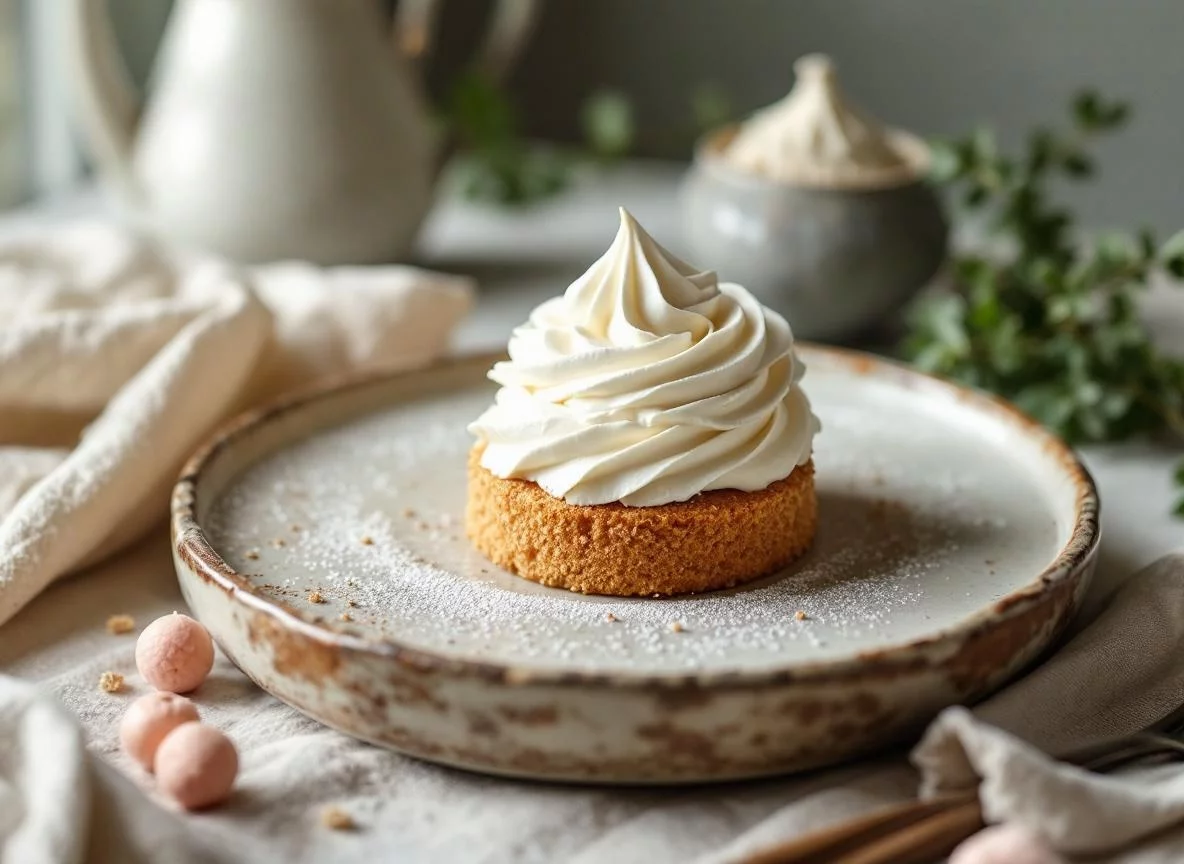
Silky smooth Swiss meringue buttercream that’s light, not too sweet, and pipes like a dream. A French-inspired technique using egg whites, sugar, and butter for the most luxurious frosting you’ll ever taste.
|
|
|
Author: Sarah – Buffalo Bakery
Category: Frosting, Buttercream
Cuisine: French, Swiss
|
|
|
⭐⭐⭐⭐½ 4.5 out of 5 (7 reviews)
|
|
|
Prep Time: 25 minutes Cook Time: 5 minutes |
Total Time: 45 minutes Yield: About 5 cups (frosts one 3-layer cake or 24 cupcakes) |
Ingredients |
|
|
|
Instructions |
|
|
|
| 🥐 Sarah’s Pro Tip | |
|
The final step – mixing on low with the paddle – is the secret weapon I learned from a Parisian pâtissier. It pops all the tiny air bubbles trapped inside, transforming your buttercream from fluffy to absolutely satin-smooth. This is what gives your frosted cakes that flawless, professional finish you see in high-end bakeries. For flavor variations, try folding in 4 oz (115g) of melted and cooled dark chocolate for chocolate SMBC, 2 tablespoons of freeze-dried fruit powder for natural berry flavors, or 2 tablespoons of espresso powder dissolved in 1 teaspoon of warm water for a mocha dream! |
|
|
Nutrition Information (per serving, 1/24th of recipe):
Calories: 155 | Protein: 1g | Fat: 13g | Carbs: 11g | Sugar: 10g |
|
| Keywords: Swiss meringue buttercream, silky buttercream, SMBC recipe, light frosting, not too sweet frosting, meringue buttercream, best buttercream recipe, professional frosting | |
Once you’ve mastered Swiss meringue buttercream, you’ll have unlocked the frosting that professional pastry chefs reach for every single day. It’s the kind of recipe that looks impressive but, once you’ve made it a few times, becomes second nature – like riding a bike, but with butter.
Try it on your next birthday cake, pipe it onto elegant cupcakes, or use it to fill delicate macarons. However you use it, this buttercream will be the thing everyone remembers. I’d love to see your silky creations – tag me on social media or leave a comment below to share your buttercream adventures with the Buffalo Bakery community!