There’s nothing quite like the panic of wondering if your yeast is still alive when you’re halfway through making pain de campagne at 9 PM on a Sunday. Trust me, I’ve been there! Learning how to proof yeast properly is one of those fundamental skills that transforms you from a nervous baker into a confident one.
I’ll never forget my first attempt at making croissants in my tiny Paris apartment – I skipped the proofing step (rookie mistake!) and ended up with flat, dense pastries that could’ve doubled as hockey pucks. That’s when my neighbor, Madame Dubois, taught me this simple technique that Julia Child herself swore by in “Mastering the Art of French Cooking.”
What Does It Mean to Proof Yeast?
Proofing yeast is essentially testing whether your yeast is alive and active before you commit it to your dough. Think of it as a little audition – you’re giving the yeast a chance to show off its bubbling, foaming talents in a controlled environment.
When yeast is “proofed,” it means it’s been activated by warm water and a bit of sugar, creating a frothy, aromatic mixture that tells you it’s ready to work its magic. This step takes just 5-10 minutes but can save you hours of disappointment and wasted ingredients.
In French baking, we call this process “réveiller la levure” – literally “waking up the yeast.” I love that imagery because that’s exactly what we’re doing!
When Should You Proof Your Yeast?
Not every recipe requires proofing, but I always recommend it when you’re working with active dry yeast or when you’re unsure about your yeast’s freshness. Here’s when proofing becomes your best friend:
Always proof when:
• Using active dry yeast that’s been sitting in your pantry
• Your yeast is approaching its expiration date
• You’re making an important recipe (like holiday brioche!)
• You’re new to bread baking
You can skip proofing when:
• Using instant yeast in a recipe that calls for it specifically
• Your yeast is brand new and well within its date
• Making no-knead breads where yeast is mixed directly into flour
Step-by-Step Guide to Perfect Yeast Proofing
Here’s my foolproof method that I learned from watching the bakers at Poilâne in Saint-Germain-des-Prés. They made it look effortless, and now you can too!
The temperature is crucial – think baby bottle warm, not hot coffee warm. Too hot, and you’ll kill your yeast faster than you can say “baguette.” Too cool, and nothing will happen.
I always keep a digital thermometer handy, but the wrist test works perfectly too. The water should feel neutral to slightly warm against your skin.
What Good (and Bad) Proofed Yeast Looks Like
Success looks like: A thick, creamy foam on top with a pleasant, yeasty aroma. The mixture should have increased in volume and look alive and bubbly.
Failure looks like: No foam, no growth, or just a few sad bubbles after 10 minutes. Sometimes the mixture might smell off or sour.
If your yeast doesn’t proof, don’t panic! Check your water temperature, try with fresh yeast, or grab a new packet. Even Julia Child had yeast failures – it’s all part of the learning process.
How to Proof Yeast – Basic Method |
|
|
|
|
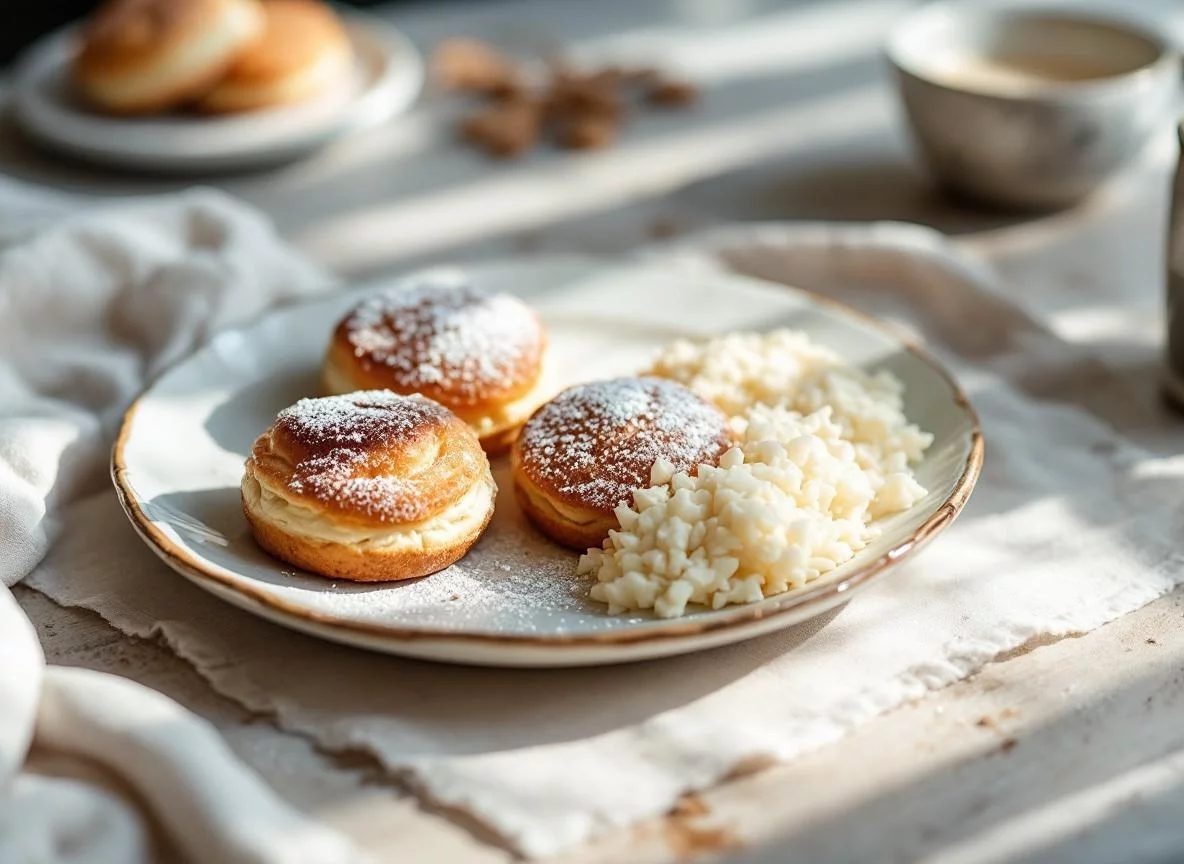
A simple, foolproof method for testing whether your yeast is alive and active before adding it to your dough. This 10-minute technique saves hours of disappointment and wasted ingredients – an essential skill for every home baker.
|
|
|
Author: Sarah – Buffalo Bakery
Category: Baking Tips, Bread
Cuisine: French, American
|
|
|
Prep Time: 2 minutes Proofing Time: 5-10 minutes |
Total Time: 10 minutes Yield: Tests 1 packet yeast |
Ingredients |
|
|
|
Instructions |
|
|
|
| 🥐 Sarah’s Pro Tip | |
|
I always proof my yeast in a glass measuring cup because the clear sides let me see exactly what’s happening. Plus, the spout makes it easy to pour the proofed mixture directly into my mixing bowl without losing any of that precious, active yeast! Store your yeast in the refrigerator after opening, and it’ll stay fresh for months. I write the opening date on the packet with a Sharpie – trust me, future you will thank present you for this little detail. |
|
|
Nutrition Information (per packet yeast):
Calories: 20 | Protein: 2g | Fat: 0g | Carbs: 3g | Sugar: 1g |
|
| Keywords: how to proof yeast, yeast proofing, active dry yeast, baking tips, bread making, yeast activation, beginner baking | |
Mastering yeast proofing is like learning to ride a bike – once you’ve got it, you’ll never forget it. This simple technique will give you the confidence to tackle any yeasted recipe, from simple dinner rolls to elaborate French viennoiseries.
Remember, baking is as much about intuition as it is about technique. Trust your senses, embrace the occasional failure (we’ve all been there!), and don’t forget to share your successes with the Buffalo Bakery community. I’d love to hear about your yeast proofing victories in the comments below!
Happy baking, and may your yeast always be frothy and fabulous!