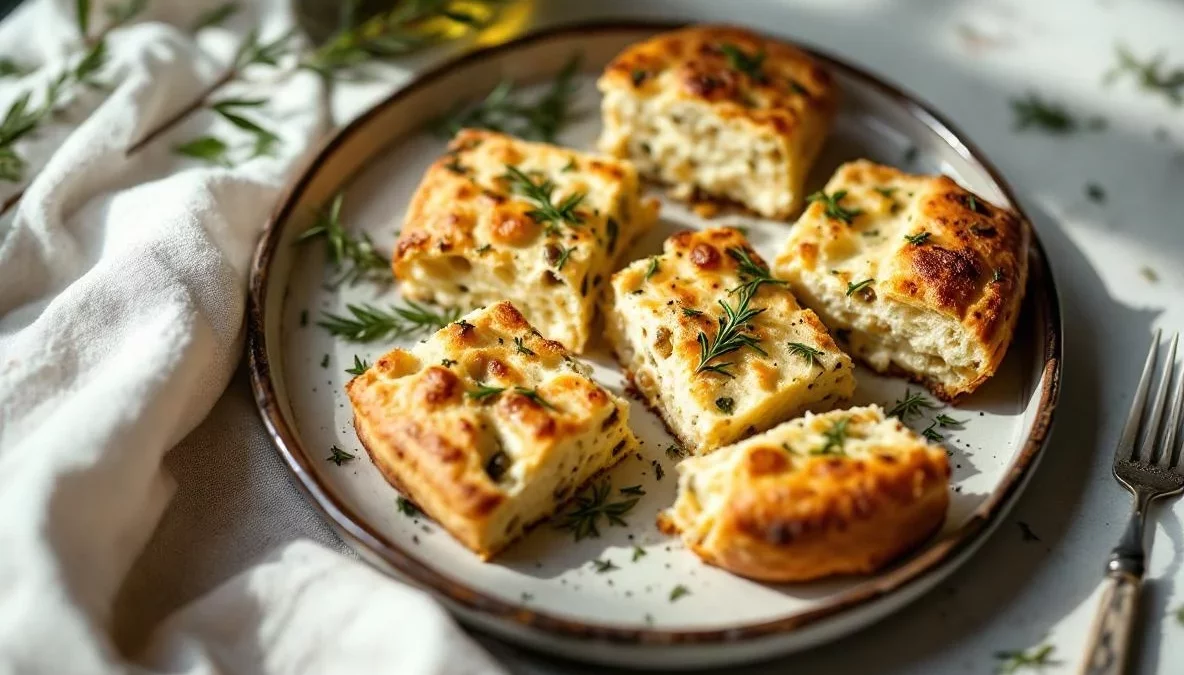
There’s something absolutely magical about the aroma of fresh focaccia baking in your oven – that heavenly combination of olive oil, herbs, and golden bread that instantly transports you to a cozy Italian countryside kitchen.
But here’s what I discovered during my culinary adventures in Paris: the French have their own beautiful relationship with this rustic flatbread, often serving it alongside their famous pâtés and artisanal cheeses at neighborhood bistros.
Today, I’m sharing my foolproof homemade focaccia recipe that brings together the best of Mediterranean flavors with techniques I learned from watching French bakers work their magic.
Why This Focaccia Recipe Works Every Time
After years of experimenting with different focaccia recipes, I’ve found that the secret lies in three key elements: proper hydration, gentle handling, and quality olive oil.
This recipe uses a higher hydration dough (meaning more water relative to flour) which creates those gorgeous, irregular holes that make focaccia so irresistible. The technique I’m sharing today actually comes from a method I observed at a small boulangerie near the Marché des Enfants Rouges in Paris, where the baker emphasized the importance of letting time do most of the work for you.
What Makes This Different from Store-Bought Focaccia?
When you make focaccia at home, you control every single ingredient – and trust me, you can taste the difference!
Store-bought versions often lack that perfect balance of crispy exterior and pillowy interior that defines authentic focaccia. Plus, homemade allows you to adjust the olive oil and herb levels to your personal preference.
I remember the first time I made this recipe after returning from France – my neighbor knocked on my door asking what smelled so incredible! That’s the power of fresh, homemade bread.
Essential Ingredients for Perfect Focaccia
The beauty of focaccia lies in its simplicity, but each ingredient plays a crucial role. High-quality extra virgin olive oil is non-negotiable – it’s what gives focaccia its signature flavor and texture.
For the flour, I recommend using bread flour for the best structure, though all-purpose flour works in a pinch. Fresh rosemary is absolutely worth seeking out over dried – the aromatic oils make such a difference.
And here’s a tip I learned from Jacques Pépin during one of his cooking demonstrations: coarse sea salt on top isn’t just for flavor – it creates beautiful textural contrast against the soft bread.
Common Focaccia Mistakes (And How to Avoid Them)
Mistake #1: overworking the dough. Focaccia should be handled gently to maintain those beautiful air pockets.
Mistake #2: skipping the final rise in the pan. This step is crucial for achieving the proper texture and allows the dough to relax into the pan naturally.
Mistake #3: not using enough olive oil. Don’t be shy! The oil creates that golden, crispy bottom we all love and prevents sticking.
| Homemade Focaccia with Olive Oil & Rosemary | |
|
|
|
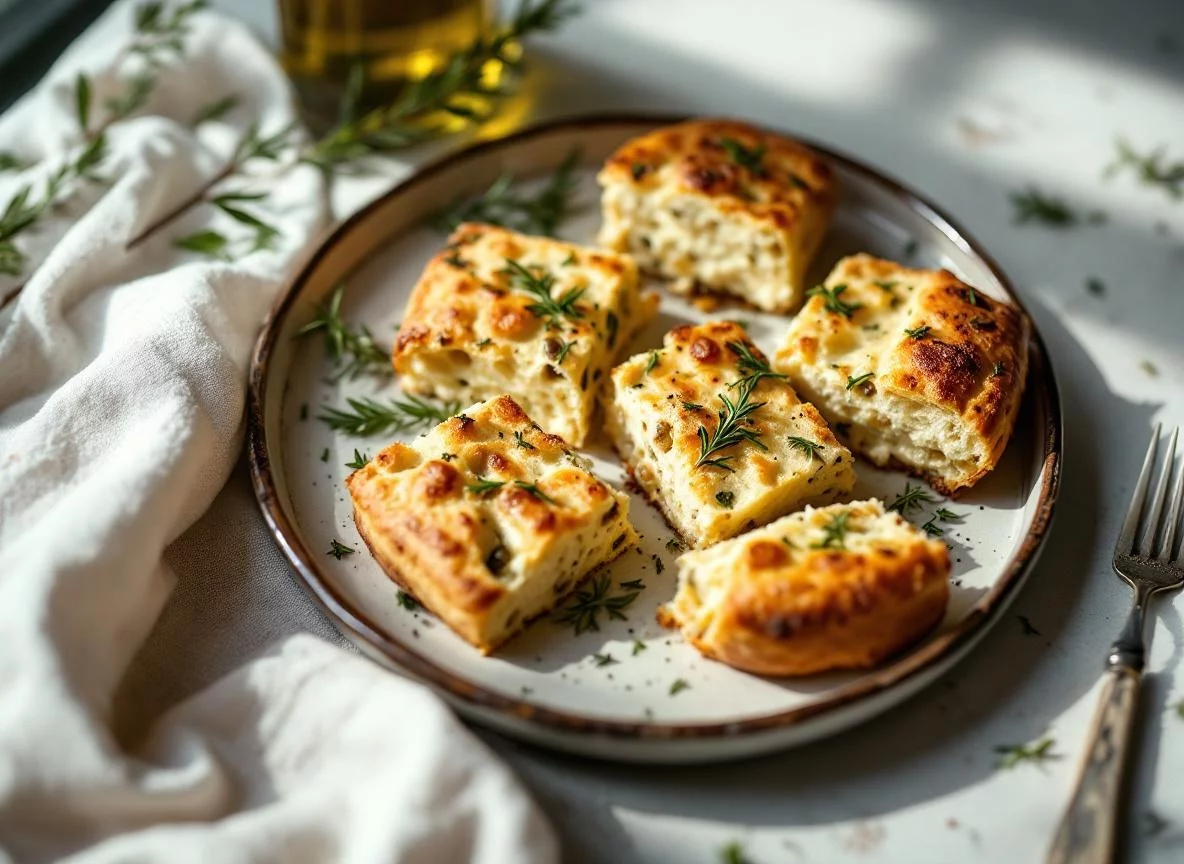
Rustic Italian focaccia with crispy exterior and pillowy interior. Made with high-hydration dough, quality olive oil, fresh rosemary, and coarse sea salt for authentic Mediterranean flavor.
|
|
|
Author: Sarah – Buffalo Bakery
Category: Bread, Side Dish
Cuisine: Italian, Mediterranean
|
|
|
Prep Time: 20 minutes Cook Time: 25 minutes |
Total Time: 3 hours 45 minutes Serves: 8-10 |
| Ingredients | |
|
|
| Instructions | |
|
|
| 🥐 Sarah’s Pro Tip | |
|
For the most incredible flavor, make this dough the night before and let it do a slow rise in the refrigerator. Just bring it to room temperature before shaping – the extended fermentation creates complex flavors that rival any artisanal bakery! I also love making a double batch and freezing half the dough after the first rise. It keeps for up to 3 months and makes weeknight dinner so much more special. |
|
|
Nutrition Information (per serving):
Calories: 245 | Protein: 6g | Fat: 7g | Carbs: 40g | Fiber: 2g |
|
|
Rating:
4.8/
5
(274 reviews)
|
|
| Keywords: focaccia recipe, homemade focaccia, Italian bread, rosemary focaccia, olive oil bread, artisan bread, rustic bread | |
This focaccia pairs beautifully with everything from a simple Italian antipasto spread to hearty soups and stews. I love serving it alongside a glass of Chianti or even a crisp French Sancerre for something unexpected.
The best part? This recipe is incredibly forgiving, making it perfect for both beginner and experienced bakers. Don’t be afraid to experiment with different toppings – cherry tomatoes, caramelized onions, or even thinly sliced pears with gorgonzola for a French twist!
I hope this recipe brings as much joy to your kitchen as it has to mine. There’s nothing quite like breaking bread you’ve made with your own hands, and I’d love to hear about your focaccia adventures! Share your photos with the Buffalo Bakery community – we’re always here to celebrate your baking victories, big and small.