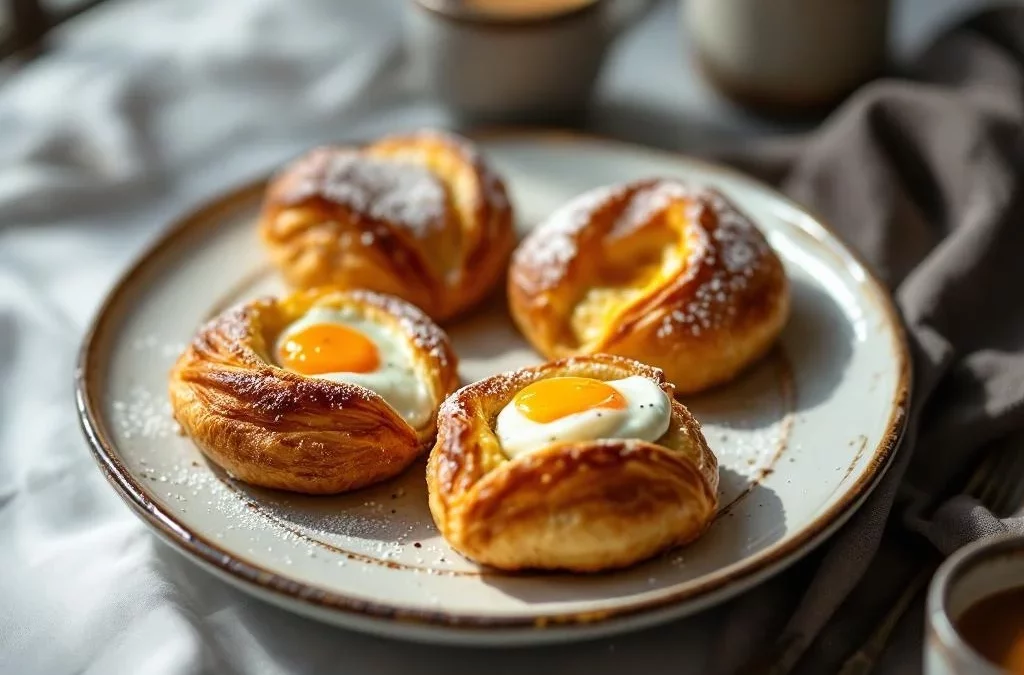
There’s nothing quite like the aroma of fresh pastries wafting through a Parisian morning. During my first trip to Paris, I discovered that the magic of French breakfast pastries isn’t locked away in professional kitchens – it’s surprisingly achievable in your own home.
Today, I’m sharing my favorite collection of French breakfast pastries that will transform your weekend mornings into a delightful Parisian café experience. These recipes use techniques I learned from watching the masters at work, simplified for the American home baker.
Why French Breakfast Pastries Are Worth the Effort
French pastries represent centuries of culinary refinement, and there’s a reason they’ve captivated food lovers worldwide. Unlike many American breakfast treats that rely heavily on sugar, French pastries achieve their magic through technique and butter quality.
The French concept of viennoiserie – literally meaning “things from Vienna” – encompasses all those flaky, buttery breakfast pastries we adore. This category includes croissants, pain au chocolat, and brioche, each requiring specific techniques that create distinct textures and flavors.
What I love most about making these at home is the meditative quality of the process. The careful folding, the patient waiting for rises, the anticipation as they bake – it’s pure kitchen therapy.
Essential Techniques Every Home Baker Should Master
When I first attempted croissants in my Portland kitchen, I made every mistake possible. But after studying Julia Child’s meticulous instructions and practicing the fundamentals, I discovered that French pastry success comes down to three key elements: temperature control, timing, and quality ingredients.
Lamination is the heart of croissant-making – the process of folding butter into dough creates those signature flaky layers. Keep your butter and dough at similar temperatures (around 60°F/15°C) to prevent the butter from breaking through the dough.
Proofing requires patience. French pastries need slow, cool rises to develop flavor. I often do the final proof in my refrigerator overnight, which also fits better into a busy schedule.
My Foolproof Pain au Chocolat Recipe
This recipe is inspired by the incredible pain au chocolat I discovered at Du Pain et des Idées in Paris’s 10th arrondissement. Their baker, Christophe Vasseur, showed me that the secret isn’t just in the dough – it’s in using quality chocolate and respecting the process.
I’ve adapted this recipe to work with American ingredients and home ovens, making it totally achievable for weekend baking projects. The key is planning ahead – most of the work happens while you’re sleeping!
Classic Pain au Chocolat
Prep: 4 hours |
Cook: 20 minutes |
Total: 4 hours 20 minutes |
Makes 8 pastries
|
|
Ingredients
|
Instructions
|
| 🥐 Sarah’s Pro Tip | |
|
The secret to perfect lamination is keeping your butter pliable but not soft. If it starts melting, pop the whole thing back in the fridge for 20 minutes. I learned this the hard way during a particularly warm Portland summer! Also, don’t skip the egg wash – it’s what gives you that gorgeous golden shine that makes these pastries look professionally made. A little coarse sea salt sprinkled on top before baking adds an authentic French touch. |
|
Make-Ahead Tips for Busy Mornings
One of the best parts about mastering French pastry techniques is that most of the work can be done in advance. I often prepare my dough through the lamination process on Saturday, then shape and proof the pastries Sunday morning for fresh breakfast treats.
Freezer-friendly options make these pastries even more practical. After shaping, you can freeze unbaked pastries for up to one month. Just add an extra hour to the proofing time when baking from frozen.
For special occasions like holiday brunches or weekend guests, I love preparing a variety of shapes using the same base dough. Pain aux raisins, almond croissants, and classic butter croissants all start with similar techniques but offer different flavors and presentations.
There’s something magical about serving warm, homemade French pastries to family and friends. The looks of amazement when people realize you made them from scratch never gets old! These recipes have become staples in my weekend routine, and I hope they bring the same joy to your Buffalo Bakery community kitchen adventures.
I’d love to hear about your pastry-making experiences – tag me on social media when you try these recipes, and don’t hesitate to share your own tips and variations. Happy baking, mes amis!