
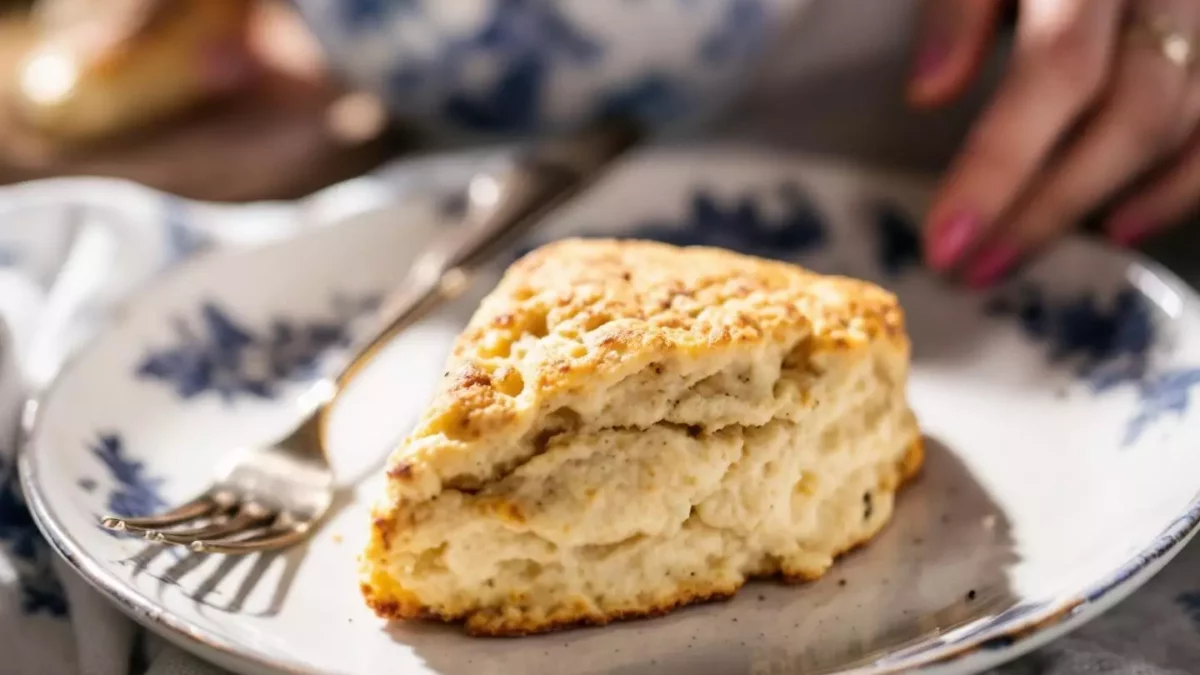
There’s something utterly magical about the aroma of fresh scones wafting through your kitchen on a lazy weekend morning. When I first tasted authentic British scones at a charming café near the Marché des Enfants Rouges in Paris, I knew I had to master this seemingly simple yet incredibly nuanced pastry.
Today, I’m sharing my foolproof recipe for achieving those coveted tall, flaky, buttery scones that rival any bakery – right from your American kitchen.
Why This Classic Scone Recipe Works Every Time
After years of testing (and yes, plenty of hockey puck disasters), I’ve cracked the code to bakery-style scones.
The secret lies in understanding the science behind the flakiness – it’s all about keeping your butter cold and handling the dough with a gentle touch. Julia Child once said that baking is about precision and patience, and nowhere is this truer than with scones.
I remember my first attempt at scones in my Portland kitchen, armed with enthusiasm but lacking technique.
The result? Dense, tough rounds that could double as doorstops.
But through trial and error, plus some wisdom gleaned from Jacques Pépin’s masterful approach to pastry, I learned that the key is treating scone dough like you would puff pastry – with respect and minimal manipulation.
The Essential Ingredients for Perfect Scones
The beauty of scones lies in their simplicity, but each ingredient plays a crucial role.
Cold butter is your best friend here – I keep mine in the freezer for 10 minutes before using. The butter creates those coveted flaky layers as it melts and steams during baking, creating pockets of tender pastry.
Heavy cream adds richness and helps create that tender crumb we’re after.
While some recipes call for milk, I find cream gives superior results and a more luxurious texture. Don’t worry about the extra calories – life’s too short for mediocre scones!
For the flour, I always use all-purpose flour rather than cake flour, as we want some structure to support those beautiful layers.
A touch of sugar balances the flavors without making them overly sweet – remember, scones are meant to be a canvas for jam and clotted cream.
Common Scone-Making Mistakes (And How to Avoid Them)
Mistake #1: overworking the dough.
I see this happen constantly – the urge to knead and perfect the dough is strong, but resist!
The more you handle scone dough, the tougher your final product will be.
Mistake #2: using warm ingredients.
Everything should be cold – butter, cream, even your mixing bowl if you have the fridge space.
Cold ingredients help maintain those distinct butter pieces that create flaky layers.
Mistake #3: twisting the cutter.
When cutting your scones, press straight down without twisting.
Twisting seals the edges and prevents proper rising, leaving you with lopsided scones that won’t reach their full height potential.
Make-Ahead Tips for Busy Mornings
One of my favorite things about this recipe is how well it adapts to busy schedules. You can shape your scones and freeze them unbaked on a parchment-lined baking sheet.
Once frozen solid, transfer to a zip-top bag and store for up to three months.
To bake from frozen, simply add an extra 3-5 minutes to the baking time – no thawing required! This means you can have fresh, warm scones ready in under 20 minutes on any morning. It’s like having your own personal bakery on standby.
Flavor Variations to Try
While classic plain scones are perfection in their simplicity, don’t be afraid to experiment.
Dried cranberries and orange zest make a lovely combination, especially during the holiday season. For summer, try fresh blueberries (toss them in a bit of flour first to prevent sinking).
Savory variations work beautifully too – sharp cheddar and chives create sophisticated scones perfect for afternoon tea or alongside soup.
Just reduce the sugar to 1 tablespoon when going the savory route.
The technique remains the same regardless of add-ins, so once you master this base recipe, the flavor possibilities are endless.
I love how versatile scones can be – equally at home at an elegant brunch or a casual weekend breakfast.
| Classic Buttery Scones | |
|
|
|
|
Tender, flaky, bakery-style scones with buttery layers that practically melt in your mouth. Perfect for afternoon tea or weekend brunch. |
|
| Author: | Sarah Mitchell |
| Category: | Breakfast, Brunch |
| Cuisine: | British |
| Prep Time: | 15 minutes |
| Cook Time: | 18 minutes |
| Total Time: | 33 minutes |
| Yield: | 8 scones |
| Ingredients | |
|
|
| Instructions | |
|
|
|
🥐 Sarah’s Pro Tip |
|
|
The secret to sky-high scones is placing them close together on the baking sheet – almost touching. |
|
|
Keywords: scones recipe, buttery scones, flaky scones, bakery style scones, British scones, afternoon tea, breakfast pastry |
|
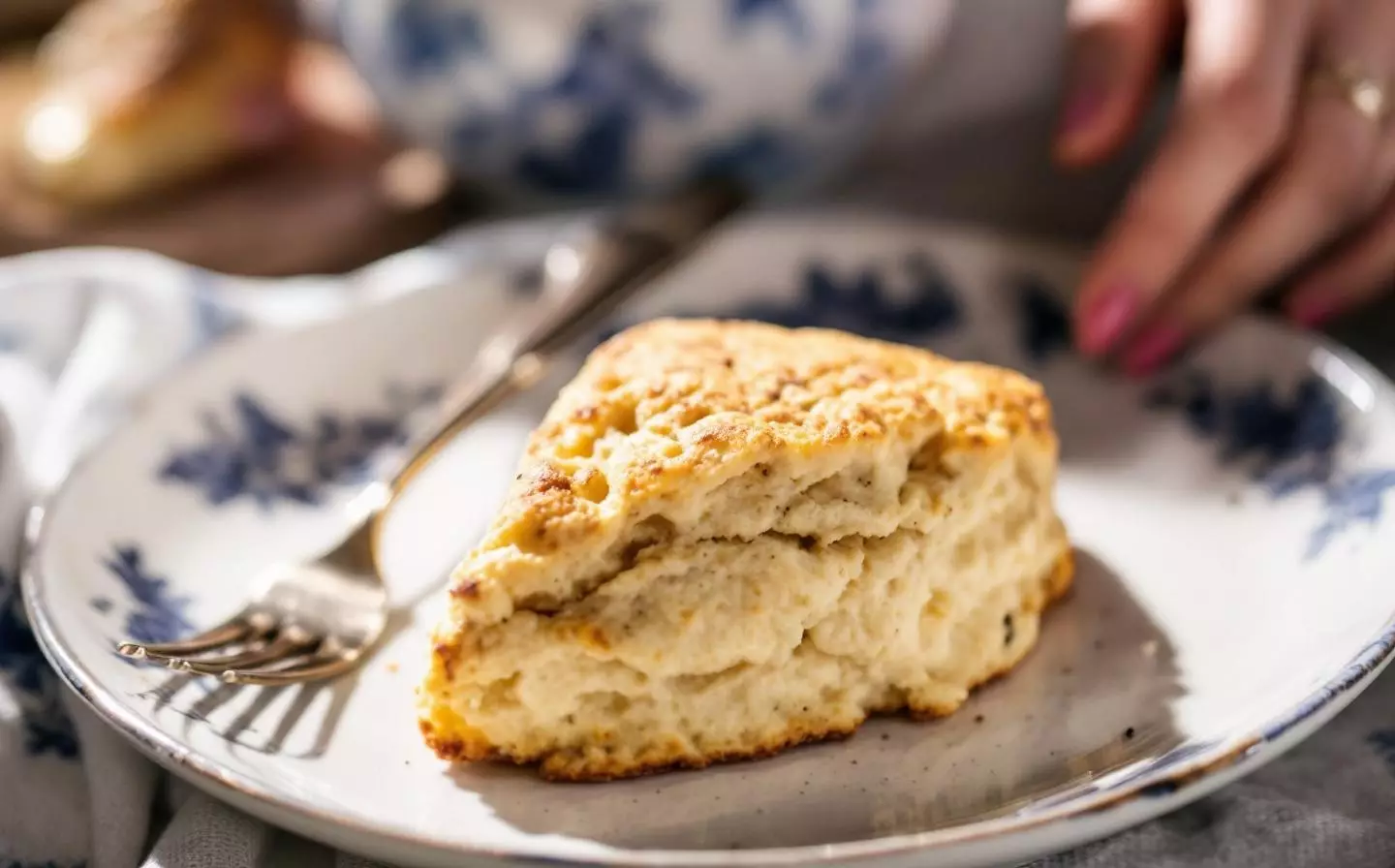
There you have it – my tried-and-true formula for scone perfection!
These beauties are best enjoyed warm from the oven, split open and slathered with your favorite jam or a dollop of cream.
I love serving them alongside a strong cup of Earl Grey tea, just like they do at those charming Parisian tea salons that inspired my baking journey.
Don’t forget to share your scone successes with our Buffalo Bakery community – I absolutely love seeing your beautiful creations and hearing about the memories you’re making in your own kitchens.
Happy baking, and remember, even if your first batch isn’t perfect, you’re well on your way to mastering this timeless classic!