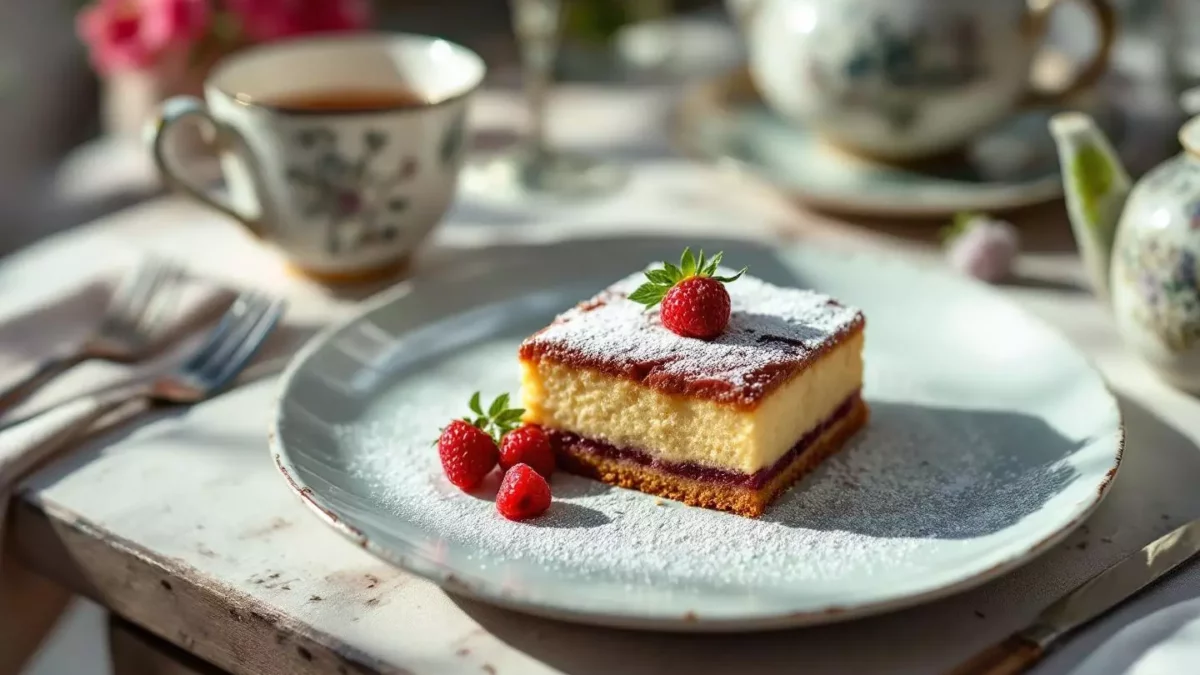
There’s something absolutely magical about French afternoon tea, or as they call it, le goûter. During my first stay in Paris, I discovered this delightful tradition at Café de Flore, where elegant ladies would gather around 4 PM with delicate cakes and steaming cups of tea. Unlike the British version with its savory sandwiches, French afternoon tea focuses entirely on exquisite petits fours and elegant cakes that are both beautiful and utterly delicious.
What Makes French Afternoon Tea Cakes So Special?
French patissiers have perfected the art of creating cakes that are light, refined, and not overly sweet – perfect for pairing with tea or coffee.
These aren’t your typical American cupcakes loaded with frosting. Instead, they showcase delicate flavors, silky textures, and artistic presentation that would make Julia Child proud.
The secret lies in classic French techniques like creating perfect génoise (sponge cake), mastering crème pâtissière (pastry cream), and understanding the importance of balance in every bite.
My Parisian Tea Time Discovery
I’ll never forget wandering into Pierre Hermé’s boutique on Rue Bonaparte during a drizzly afternoon in November. The display case was filled with the most gorgeous individual cakes I’d ever seen – each one a tiny work of art.
The sales associate explained that these petits gâteaux were designed specifically for afternoon tea, meant to be savored slowly with good conversation.
That day, I tried a financier aux amandes (almond cake) that was so perfectly moist and fragrant, I knew I had to learn how to recreate that magic back home in Portland.
Essential French Techniques for Perfect Tea Cakes
The Foundation: Master Your Sponge
French sponge cakes, or biscuits, are the foundation of most afternoon tea cakes. Unlike American cakes that rely on baking powder for lift, French sponges get their airy texture from properly whipped eggs and careful folding techniques.
The key is achieving what French bakers call “ruban” – that silky ribbon stage when you lift your whisk from perfectly beaten eggs and sugar.
Flavor Profiles That Sing
French afternoon cakes typically feature subtle, sophisticated flavors: vanilla bean, almond extract, lemon zest, or delicate rose water. The goal is elegance, not overwhelming sweetness. Think about how Jacques Pépin approaches flavor – each element should complement, not compete.
Why These Cakes Are Perfect for American Home Bakers
Make-Ahead Friendly
One thing I love about French tea cakes is that many components can be prepared in advance. You can bake your sponge layers, make your pastry cream, and even assemble some cakes up to two days ahead. This makes them perfect for entertaining or those busy weekdays when you want something special with your afternoon coffee.
Adaptable to American Ingredients
Don’t worry if you can’t find French butter or European-style flour at your local supermarket. I’ve adapted these recipes to work beautifully with standard American ingredients. Regular unsalted butter works perfectly, and all-purpose flour creates lovely results when handled with the proper French techniques.
Popular French Tea Cake Varieties to Try
Madeleines: The Classic Shell Cakes
These shell-shaped sponge cakes are perhaps the most famous French tea accompaniment. Made famous by Marcel Proust, madeleines should have that distinctive bump and delicate lemon flavor.
Financiers: Almond Butter Cakes
These small rectangular cakes get their name from their resemblance to gold bars. Made with beurre noisette (brown butter) and almond flour, they’re incredibly moist and keep well for several days.
Mini Quatre-Quarts: French Pound Cake Bites
The French version of pound cake, but much more refined. Perfect for serving in small portions with fresh berries or a dollop of crème fraîche.
Serving Your French Tea Cakes Like a True Parisienne
Presentation Matters
French culture values presentation almost as much as taste. Arrange your cakes on a tiered serving stand or elegant plate, and don’t forget small dessert forks and cloth napkins. Fresh flowers or a few perfect strawberries make lovely garnishes.
Perfect Beverage Pairings
While tea is traditional, don’t overlook coffee – the French love their afternoon café. Earl Grey, Darjeeling, or a delicate jasmine tea all pair beautifully with these delicate cakes. For something special, try serving with champagne or a light Moscato.
Storage and Make-Ahead Tips
Most French tea cakes actually improve after a day, as the flavors have time to meld. Store them in an airtight container at room temperature for up to three days, or freeze unfrosted cakes for up to a month.
The beauty of these recipes is their flexibility and forgiving nature – perfect for both beginner bakers and those looking to add some French elegance to their repertoire.
Creating your own French-style afternoon tea at home brings a touch of Parisian sophistication to any day. Whether you’re hosting friends or simply treating yourself to something special, these delicate cakes transform an ordinary afternoon into something truly memorable.
I hope you’ll give these recipes a try and share your own tea time moments with our Buffalo Bakery community!
| Classic French Financiers (Almond Butter Cakes) | |
|---|---|
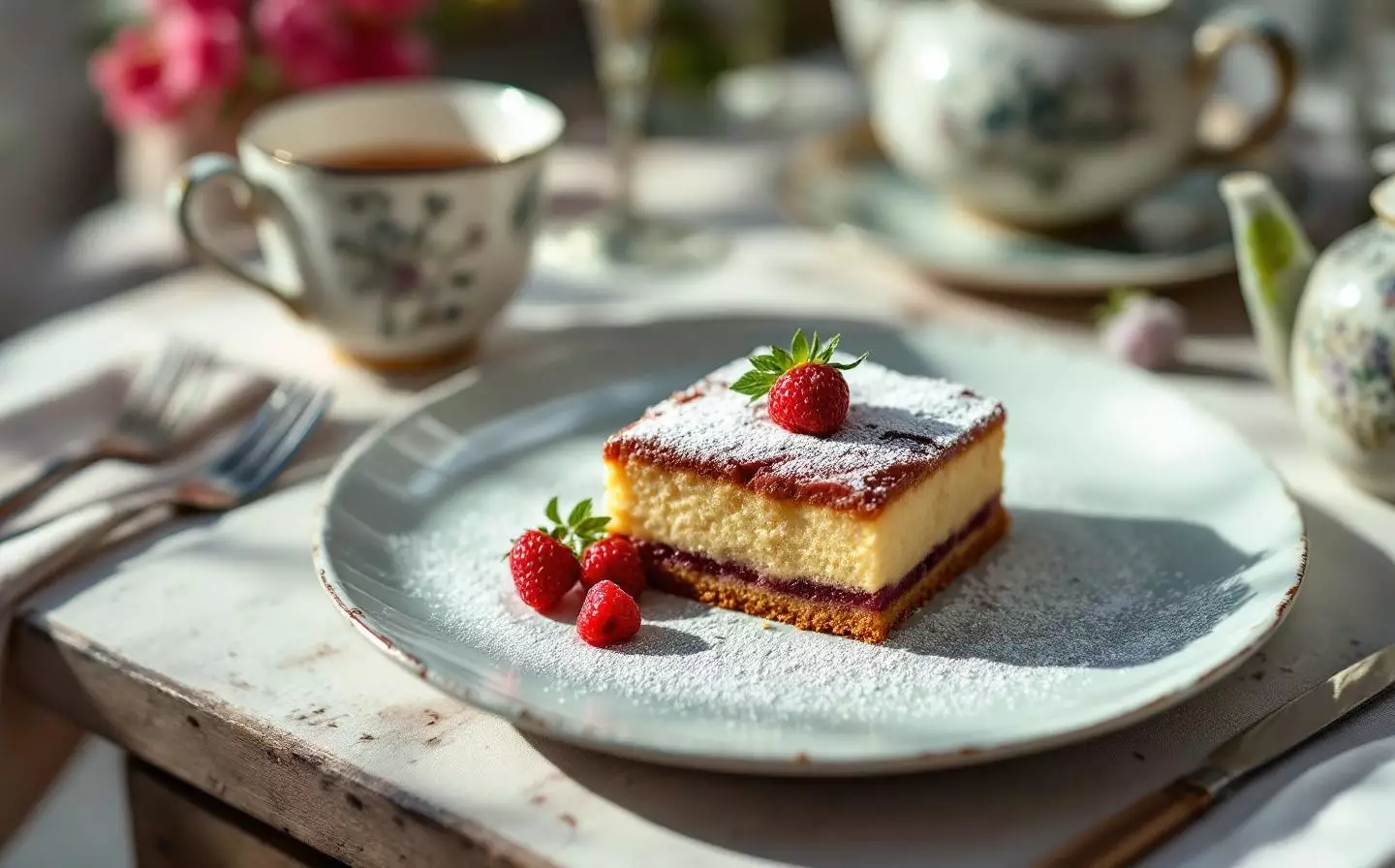 | |
| Delicate French almond cakes made with brown butter, perfect for afternoon tea. These small rectangular treats have a tender crumb and sophisticated nutty flavor that pairs beautifully with tea or coffee. | |
|
Sarah Mitchell | Afternoon Tea | French | |
| Prep Time: | |
| Cook Time: | |
| Total Time: | |
| Yield: | 12 small cakes |
| 🥄 INGREDIENTS | |
| |
| 👩🍳 INSTRUCTIONS | |
| |
| 🥐 Sarah’s Pro Tip | |
|
The key to perfect financiers is achieving the proper beurre noisette (brown butter). Watch it carefully – you want golden brown color and a nutty aroma, but not burnt! These actually taste better the next day as the almond flavor develops. Store in an airtight container for up to 4 days, or freeze for up to a month. | |
| Keywords: French financiers, almond cakes, afternoon tea, brown butter cakes, French pastry, petit fours | |